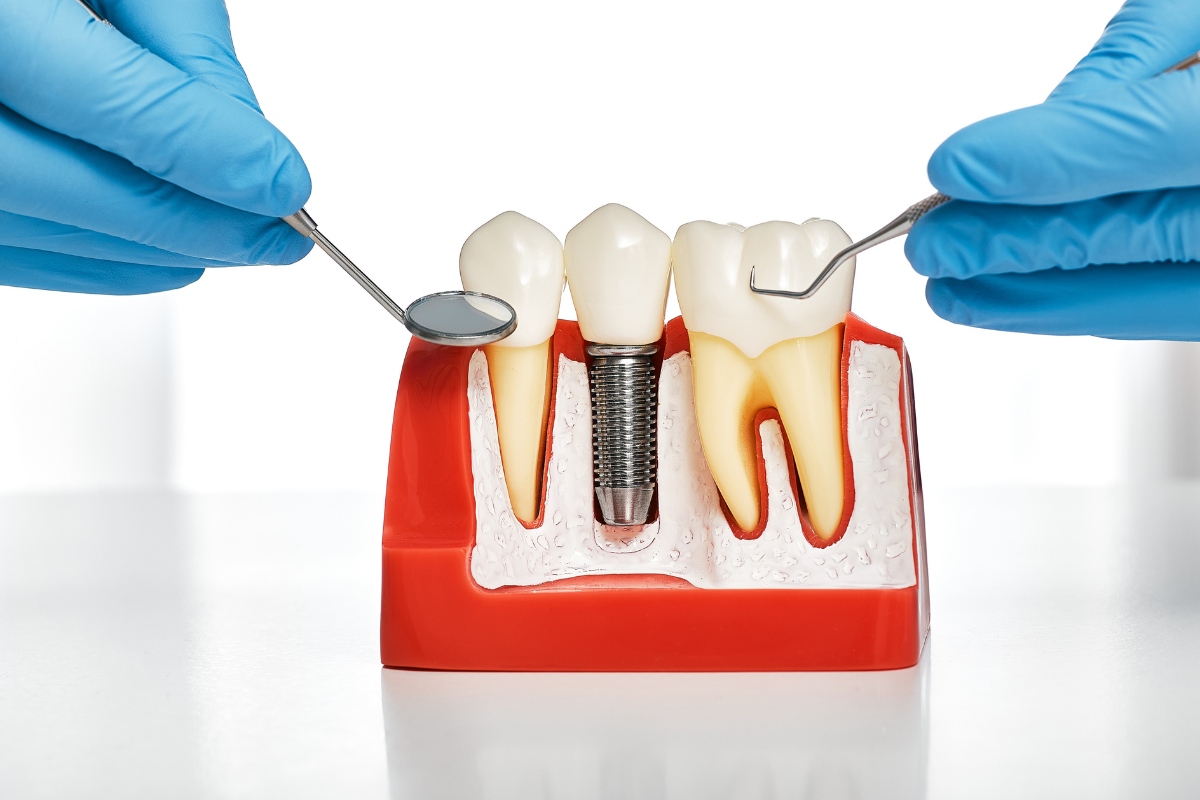
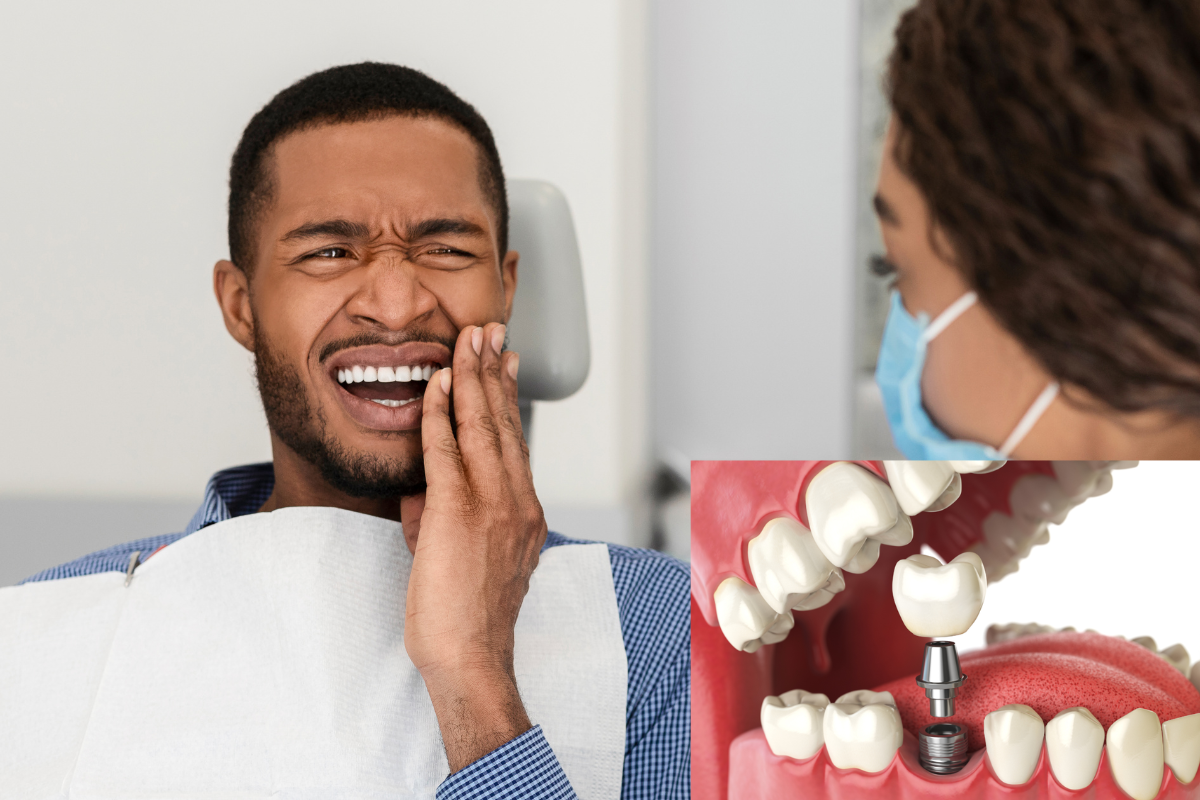
Dental implants are designed to function as long-term replacements for missing teeth, but their success depends on one critical biological factor: how well the surrounding tissues remain free from harmful bacteria during healing. Even a small level of bacterial contamination can interfere with the body’s ability to properly integrate the implant with bone.
This process, known as osseointegration, is extremely sensitive in the early healing phase. When bacteria are present, the body may shift from regeneration to inflammation, which can compromise implant stability over time.
At Market Street Dental Studio, implant procedures are performed with a strong focus on sterile surgical protocols and biologically guided planning. Our dentists, Dr. Mark Wheeler and Dr. Shane Maule, emphasize infection control as a core part of predictable implant success. Patients exploring dental implants in Buckeye can visit our dental office for a detailed evaluation and individualized treatment plan based on their oral health condition.
What Is Bacterial Contamination in Implants?
Bacterial contamination refers to the presence of harmful oral microorganisms around an implant site during or after placement. These bacteria may originate from the natural oral environment, surgical exposure, or insufficient plaque control during healing.
Once bacteria adhere to the implant surface, they can form a biofilm. This is a structured microbial layer that is highly resistant to natural cleaning mechanisms and immune response, making it difficult to eliminate without professional care.
If not controlled early, this biofilm can trigger inflammation in surrounding gum and bone tissues, which directly affects healing quality.
How Bacterial Contamination Affects Implant Success
Implant success depends on stable osseointegration, where bone securely fuses with the titanium implant surface. Bacterial interference disrupts this process by triggering inflammation instead of regeneration.
When contamination occurs, the following complications may develop:
- Delayed or incomplete bone integration
- Persistent gum inflammation around the implant
- Bleeding or sensitivity during healing
- Early implant instability in severe cases
- Progression to peri-implant mucositis or peri-implantitis
For patients receiving dental implants in Buckeye, the early healing period is especially important, as this is when the implant is most vulnerable to bacterial disruption.
Without timely management, inflammation can extend deeper into bone structures, increasing the risk of long-term implant failure.
Why Implant Sites Are Highly Sensitive to Bacteria
The mouth naturally contains millions of bacteria, making every implant site temporarily vulnerable after surgery. During healing, the protective gum barrier is still forming, which allows bacteria easier access to deeper tissues.
Several factors can increase bacterial risk:
- Untreated gum disease prior to implant placement
- Inconsistent brushing and flossing during recovery
- Smoking or a reduced healing response
- Accumulation of plaque around healing components
- Contamination from existing oral bacterial reservoirs
This is why patients working with a Buckeye dentist are advised to maintain strict oral hygiene habits during the recovery phase to support predictable healing outcomes.
Can Bacterial Contamination Be Prevented?
Yes, bacterial contamination is largely preventable with proper clinical protocols and patient compliance. Modern implant dentistry is designed specifically to minimize microbial exposure at every stage of treatment.
Key prevention strategies include:
- Sterile surgical environments and instrument handling
- Pre-treatment management of gum disease when needed
- Antimicrobial rinses during early healing
- Careful surgical technique to reduce exposure risk
- Detailed post-operative hygiene instructions
- Regular follow-up monitoring during healing
These preventive steps significantly improve outcomes for patients undergoing dental implants in Buckeye, especially during the critical early healing window.
Local Lifestyle and Healing Considerations
Healing after implant surgery is influenced not only by clinical care but also by everyday habits and environmental conditions.
In Buckeye, dry air conditions can sometimes contribute to reduced saliva flow. Since saliva plays an important role in naturally controlling bacteria, maintaining hydration becomes especially important during recovery.
Dietary habits also matter. Local dining experiences around community areas such as Verrado or nearby neighborhood eateries may include foods that are sticky or fibrous. If not cleaned properly, these can contribute to plaque buildup around healing tissues.
These factors do not directly cause implant failure but can increase bacterial accumulation if oral hygiene is inconsistent during recovery.
Early Warning Signs of Implant Infection
Recognizing early symptoms of bacterial complications can significantly improve treatment outcomes and help preserve implant stability.
Watch for:
- Persistent swelling or redness around the implant
- Bleeding during brushing or flossing
- Ongoing tenderness beyond normal healing time
- Unpleasant taste or odor near the implant
- Gum recession or tissue changes around the implant
If these symptoms appear after receiving dental implants in Buckeye, prompt dental evaluation is essential to prevent progression into deeper infection.
How Implant Infections Are Treated
Treatment depends on how early the condition is detected and how far it has progressed. Early-stage infections are often reversible with non-surgical care, while advanced cases require more intensive intervention.
Common treatment approaches include:
- Professional cleaning around the implant site
- Local antimicrobial therapy
- Mechanical removal of bacterial biofilm
- Surgical decontamination in advanced cases
Timely treatment is essential to protect both the surrounding bone and long-term implant stability.
Why Bacterial Control Determines Long-Term Implant Success
Long-term success is not determined solely by placement accuracy. It depends on maintaining a stable and healthy microbial environment around the implant over time.
Successful outcomes rely on:
- Healthy gum attachment around the implant
- Consistent daily oral hygiene habits
- Balanced oral microbiome
- Regular professional maintenance visits
Even well-integrated implants can fail if chronic bacterial irritation is left unmanaged over time.
Frequently Asked Questions
Can bacterial contamination cause dental implant failure?
Yes. Bacteria can interfere with bone healing and cause inflammation that may eventually lead to implant instability if not treated early.
What is the most common infection after implants?
The most common condition is peri-implant mucositis, which affects the gum tissue and is reversible with early treatment.
When do implant infections usually develop?
They can appear within days or weeks after surgery, though some cases develop gradually over time depending on hygiene and healing response.
Are dental implants immune to bacteria?
No implant is completely immune. However, proper surgical protocols and good oral hygiene significantly reduce infection risk.
What increases the risk of infection around implants?
Poor oral hygiene, smoking, and untreated gum disease are major risk factors that increase bacterial complications.
Can infected implants be saved?
Yes, many early infections can be successfully treated. Advanced infections may require more complex interventions.
How do I know if my implant is failing?
Signs include persistent pain, swelling, or loss of mobility of the implant. Immediate evaluation is necessary in such cases.
Professional Guidance Makes the Difference
Bacterial contamination plays a major role in implant success, but it is also highly manageable when identified early and controlled properly. Understanding how bacteria interact with healing tissues helps patients actively protect their investment in long-term oral health.
To determine your eligibility for implants and receive a customized treatment plan based on your specific oral condition, schedule a detailed consultation with Market Street Dental Studio. A personalized evaluation ensures the safest and most predictable path toward restoring your smile.