Losing a tooth can affect much more than your appearance. It can change the way you eat, speak, and feel about yourself. For many people, the next concern comes quickly: “I’ve been told I have bone loss. Does that mean I can’t get dental implants?”
The good news is that bone loss doesn’t automatically rule out treatment. Advances in modern dentistry have created solutions for many patients who were once told they weren’t candidates.
If you’re considering dental implants in Buckeye, understanding how bone loss affects treatment can help you make an informed decision. At Market Street Dental Studio, we evaluate each patient individually and develop treatment plans designed around their unique oral health needs.
What Causes Bone Loss After Losing a Tooth?
Your jawbone depends on healthy tooth roots to stay strong. Every time you bite or chew, your tooth roots stimulate the surrounding bone.
When a tooth is missing, that stimulation disappears.
Over time, the body begins to absorb the unused bone. This process, called bone resorption, is completely natural but can lead to:
- A shrinking jawbone
- Changes in facial appearance
- Shifting neighboring teeth
- Difficulty replacing missing teeth later
- Changes in your bite
The longer a missing tooth goes untreated, the more bone loss may occur.
Can You Get Dental Implants If You Have Bone Loss?
Yes—in many cases, you still can.
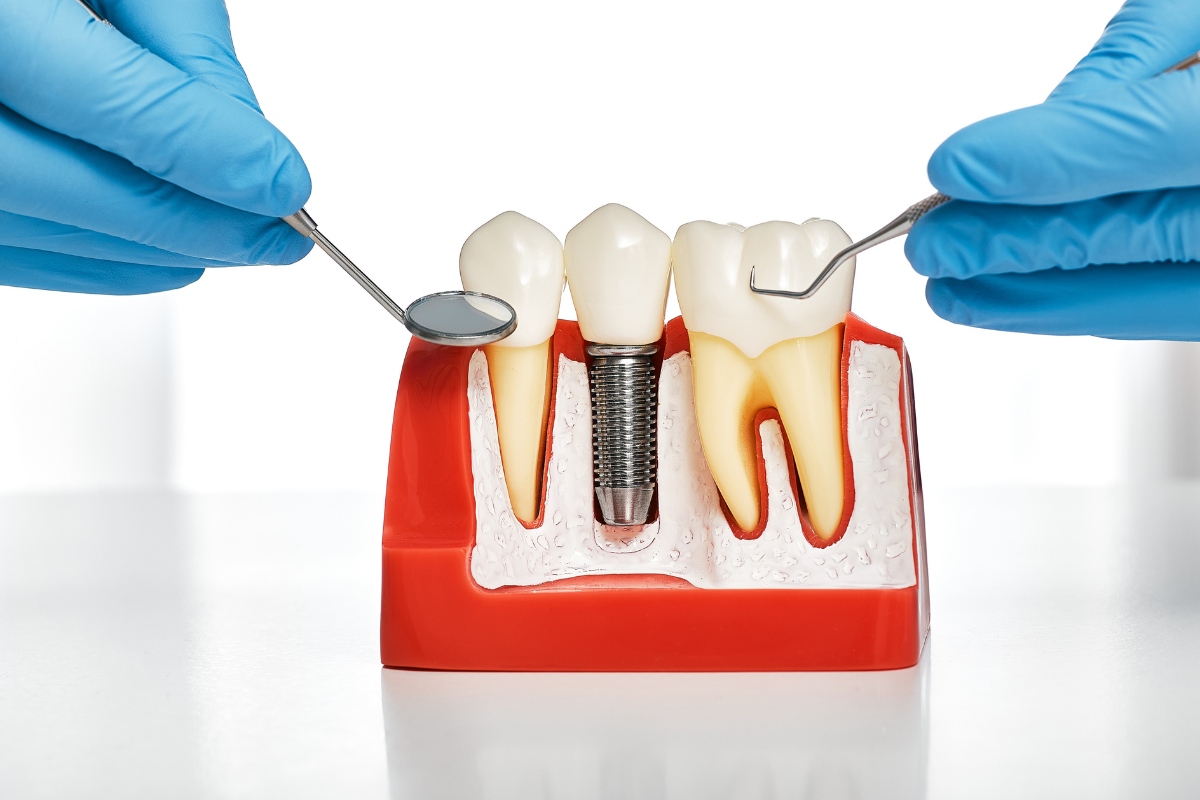
Dental implants require enough healthy jawbone to support the implant post. However, today’s treatment options allow many patients with mild, moderate, and even significant bone loss to become implant candidates.
The key is determining:
- How much bone remains
- Where the bone loss has occurred
- Your overall oral health
- Your medical history
- Whether additional procedures are recommended
A comprehensive evaluation using advanced imaging allows your dental provider to recommend the most appropriate treatment.
Why Bone Loss Shouldn’t Be Ignored
Bone loss affects more than implant eligibility.
As the jawbone continues shrinking, it can create long-term oral health challenges such as:
Changes in Facial Shape
The jaw provides structure for your cheeks and lips. Bone loss may create a sunken or aged appearance over time.
Difficulty Eating
Missing teeth reduce chewing efficiency, making it harder to enjoy many foods.
Bite Problems
Neighboring teeth may drift into the empty space, creating uneven pressure and alignment issues.
Additional Tooth Loss
Changes in bite forces and gum health can increase the risk of future dental problems.
Seeking treatment sooner often creates more options.
How Dentists Restore Bone Before Dental Implants
If there isn’t enough healthy bone, your dentist may recommend procedures that help rebuild or preserve the jawbone before implant placement.
Depending on your situation, treatment may include:
Bone Grafting
Bone grafting adds bone material where it has been lost.
Over several months, your body naturally integrates the graft, creating stronger support for a future implant.
Bone grafting is one of the most common procedures performed before implant treatment.
Socket Preservation
If a tooth is being removed, placing bone graft material immediately afterward can reduce future bone loss and help preserve the jaw.
Sinus Lift
For missing upper back teeth, lifting the sinus membrane and adding bone may create enough height for implant placement.
Not every patient requires these procedures. Your treatment recommendations depend entirely on your individual needs.
What Makes Someone a Good Implant Candidate?
Bone volume is only one part of the evaluation.
Your dentist will also assess:
- Healthy gums
- Overall oral hygiene
- Existing medical conditions
- Tobacco use
- Healing ability
- Bite alignment
- Jaw health
Many patients who initially believe they aren’t candidates discover they have more options than expected after a professional evaluation.
Why Choosing an Experienced Team Matters
Every implant case is different, especially when bone loss is involved.
Planning requires careful examination, advanced diagnostic imaging, and personalized treatment recommendations rather than a one-size-fits-all approach.
At Market Street Dental Studio, patients receive comprehensive evaluations designed to determine the safest and most predictable path toward restoring their smiles. Whether bone grafting is recommended or implants can be placed directly, treatment planning focuses on long-term function, comfort, and aesthetics.
If you’re searching for a trusted dentist in Buckeye, having an experienced team evaluate your specific situation is the best first step toward understanding your options.
Don’t Wait Until Bone Loss Becomes More Advanced
Bone loss continues over time.
Delaying treatment may:
- Reduce future implant options.
- Increase treatment complexity
- Extend treatment timelines
- Require additional procedures
Early evaluation doesn’t necessarily mean immediate treatment—but it gives you more choices.
If you’ve been thinking about replacing missing teeth, now is an excellent time to schedule a consultation.
You can also learn more about our dental implant services and how personalized treatment plans help restore healthy, confident smiles.
Frequently Asked Questions
Can I get dental implants if I’ve had missing teeth for years?
Yes. Many people successfully receive implants after living with missing teeth for years. Some patients may need bone grafting before implant placement.
How do I know if I have enough bone for dental implants?
A comprehensive dental exam and 3D imaging allow your dentist to evaluate your jawbone and determine whether implants are appropriate.
Is bone grafting always necessary before implants?
No. Many patients have enough healthy bone and do not require grafting. Treatment depends on your individual condition.
How long does bone grafting take to heal?
Healing varies by patient and procedure, but many bone grafts require several months before implant placement.
Are dental implants stronger than dentures?
Dental implants are anchored within the jawbone, providing excellent stability and helping preserve bone over time. Your dentist can recommend the most suitable option based on your oral health.
Does bone loss continue after getting dental implants?
Dental implants help stimulate the jawbone similarly to natural tooth roots, which can help reduce future bone loss around the implant when properly maintained.
Is getting dental implants painful?
Most patients report that implant treatment is more comfortable than expected. Local anesthesia and modern techniques help minimize discomfort during the procedure.
What is the first step if I think I have bone loss?
The first step is scheduling a comprehensive consultation. Your dentist can evaluate your jawbone, discuss your goals, and explain the treatment options available for your situation.
Restore More Than Just Missing Teeth
Missing teeth and bone loss don’t always mean you have to give up on a complete smile. Modern implant dentistry offers solutions for many patients who once believed treatment wasn’t possible.
If you’re interested in dental implants in Buckeye, schedule a consultation with Market Street Dental Studio. A personalized evaluation can help determine the right treatment plan for your smile, oral health, and long-term goals.
Medical Disclaimer:
This article is intended for educational purposes only and should not replace professional dental advice, diagnosis, or treatment. Every patient has unique oral health needs. Please consult a licensed dental professional for personalized recommendations regarding your dental care.