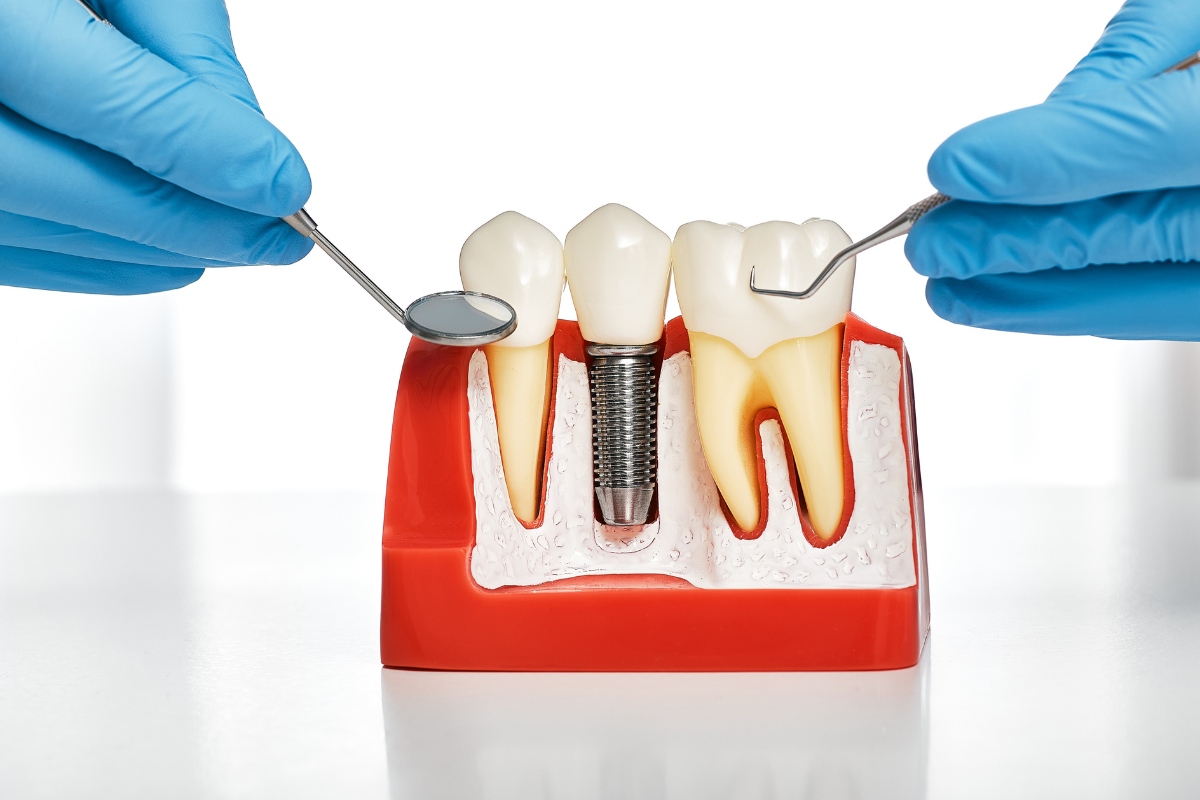
For individuals considering tooth replacement, understanding the exact timeline of comfort management can turn dental anxiety into confident anticipation. Guided by the extensive clinical expertise of Dr. Mark Wheeler, our team at Market Street Dental Studio utilizes advanced oral sedation and precise surgical methodologies to ensure your procedure is smooth, predictable, and stress-free.
If you are ready to explore your options for a stable, healthy smile, we invite you to take the first step toward personalized care by scheduling a comprehensive diagnostic evaluation with our team today.
What to Expect During Implant Surgery: Is It Painful?
Modern implant surgery is highly controlled and fundamentally pain-free during the active procedure because clinicians utilize deep local anesthesia and tailored sedation protocols to temporarily deactivate the regional nerve pathways.
Patients typically feel light pressure or mild vibrations from the surgical instruments, but no sharp or acute pain sensations can register in the brain while these clinical blocks are active.
From a clinical perspective, placing an implant is a precise, micro-surgical intervention. Before any incision is made, the operating field is thoroughly saturated with profound local anesthetics that block the pain receptors surrounding the jawbone and gingival tissues. According to data published by the National Institutes of Health (NIH), implants carry a documented clinical success rate exceeding 95%, largely attributed to advanced pre-surgical planning and sterile, minimally invasive techniques.
For individuals who experience heightened systemic anxiety, looking for a qualified dentist in Buckeye allows access to specialized oral sedation dentistry. This protocol involves taking a prescribed medication prior to your appointment, which induces a state of deep, tranquil relaxation and temporarily dampens the central nervous system’s stress responses. It also introduces a helpful amnesic effect, meaning you will have very little memory of the surgical sounds or sensations once the treatment concludes.
The Immediate Post-Operative Phase: The First 24 Hours
The first 24 hours following implant placement focus on managing the transition as local anesthesia gradually wears off and the body initiates its natural inflammatory healing cycle. Discomfort during this acute phase is systematically mitigated using a combination of proactive, non-steroidal anti-inflammatory medications and cold-therapy applications to constrict local blood vessels.
When the numbing agents begin to dissipate a few hours after surgery, you will feel a dull, manageable ache rather than a sharp pain. This occurs because the periosteum (the vascular tissue covering the bone) and the overlying gum tissues are initiating a localized inflammatory response, which is a necessary biological catalyst for tissue repair. To keep this discomfort well below your pain threshold, it is critical to administer your first dose of recommended pain medication before the surgical numbness completely fades.
Managing the physical environment around the surgical site is equally important during these initial hours. Applying ice packs wrapped in a soft cloth to the exterior of the jaw for 20 minutes on and 20 minutes off works effectively to limit swelling and localized bruising. Keeping your head elevated on a few pillows, even while resting or sleeping, prevents excess blood pressure from building up in the facial tissues, which significantly minimizes the throbbing sensations common to the early post-operative period.
The First Week: Managing Inflammation and Soft Tissue Healing
Throughout the first post-operative week, physical discomfort steadily transitions from an acute awareness to a mild tenderness as the soft tissue margins begin to close. Managing pain during this week relies on maintaining structural stability at the surgical site through strict dietary modifications, gentle oral hygiene, and targeted anti-inflammatory regimens.
| Phase Timeline | Primary Comfort Management Strategy | Expected Biological Status |
| Days 1 to 2 | Pre-emptive NSAIDs and continuous external ice therapy | Peak inflammatory response: localized tissue swelling |
| Days 3 to 5 | Transition to warm compresses; soft-food diet | Swelling begins to recede; early cellular migration across margins |
| Days 6 to 7 | Gentle warm saltwater rinses; basic hygiene | Soft tissues close over; discomfort drops to a minor tenderness |
By the third and fourth days, tissue swelling typically reaches its physiological peak before beginning to steadily decline. If you find yourself driving past the local historic landmarks of downtown or running errands near the master-planned communities around Verrado, protecting your healing jaw from sudden physical jarrings or heavy lifting is essential, as elevated blood pressure can aggravate local nerve endings. Transitioning from cold ice packs to warm, moist compresses on day four helps stimulate local blood circulation, accelerating the removal of inflammatory cellular debris.
Dietary choices play a massive role in how comfortable your recovery remains during this first week. Forcing your jaw to chew hard, crunchy, or heavily spiced foods can cause direct mechanical trauma to the delicate suture lines. Instead, prioritize nutrient-dense, room-temperature soft foods. Staying close to home and enjoying smooth, locally loved blended options or soft dishes ensures you get the necessary protein and vitamins to support cellular regeneration without irritating the healing surgical sites.
Long-Term Recovery and the Biology of Osseointegration
Long-term recovery from implants is completely pain-free because jawbone tissue lacks the specialized pain receptors required to sense the gradual biological fusion of bone to the titanium post. Any emergence of late-stage pain or throbbing after the initial weeks typically indicates an underlying clinical complication, such as a localized infection or mechanical overload, requiring immediate evaluation.
Once the initial soft tissue healing concludes within the first 10 to 14 days, the deeper biological process known as osseointegration begins. This is the structural phenomenon where living bone cells grow directly into the microscopic grooves of the titanium implant post, anchoring it permanently into the jaw. Because bone tissue does not possess the same tactile or thermal pain fibers found in the skin or dental pulp, this complex fusion happens silently over several months without causing any daily discomfort or awareness.
Experiencing structural discomfort or a renewing ache weeks or months after your initial surgery is a non-standard symptom that demands professional attention. Patients looking to restore their oral function with premier dental implants in Buckeye can rest assured that advanced diagnostics prevent these issues. Persistent late-stage pain often indicates peri-implantitis—an inflammatory condition caused by bacterial infiltration around the base of the fixture—or a lack of primary structural stability where the bone has failed to integrate properly. Maintaining scheduled checkups ensures your clinician can evaluate these deep structures using advanced diagnostic imaging before any minor issues compromise the longevity of the restoration.
Why Advanced Clinical Planning Matters for Long-Term Success
The foundations of a comfortable, predictable recovery are established long before the actual day of your procedure. Utilizing high-resolution 3D cone-beam computed tomography (CBCT) allows for a comprehensive digital evaluation of your unique sinus cavities, nerve pathways, and existing bone density map. This advanced level of spatial preparation ensures the titanium fixtures are placed with extreme anatomical precision, minimizing disruption to surrounding blood vessels and nerve bundles, which directly translates to a much shorter and more comfortable post-operative recovery.
Investing time in selecting premium materials and a highly precise surgical approach also mitigates the risk of long-term mechanical complications. When the implant is placed with proper alignment and adequate surrounding bone volume, the eventual bite forces are distributed evenly across your jaw. This careful structural planning protects your natural teeth from shifting and prevents structural strain on the temporomandibular joint (TMJ), keeping your entire bite comfortable and functional for decades to come.
Top-Quality Professional Solutions Close to Home
Choosing to rebuild your smile with top-tier dental implants in Buckeye ensures your journey is supported by professionals who understand both advanced implantology and the unique needs of our growing desert community. Localized clinical care means you do not have to endure long, uncomfortable car rides down the highway immediately following a surgical procedure when rest and immediate home care are vital.
Our local environment can present minor challenges to early recovery, such as dry desert air, which can dehydrate oral mucosal tissues and elevate initial post-operative irritation. Our practice counters these local factors by providing highly customized recovery kits, hydration goals, and precise home-care protocols tailored to our climate. Having a trusted dental team accessible right within your neighborhood means that whether you need a quick post-operative check or have a simple question about your healing timeline, expert care is always just a few minutes away.
To learn more about how advanced pain management techniques can provide a smooth path to a renewed smile, visit our dental office for a comprehensive diagnostic consultation. Our team will perform a complete clinical assessment of your bone health and discuss how our tailored oral sedation protocols can keep you completely comfortable. Contact Market Street Dental Studio today to schedule your private consultation and take the first step toward a healthy, lasting smile.
Frequently Asked Questions
How long does pain last after dental implant surgery?
Mild to moderate discomfort typically lasts between three to five days following the procedure. This is completely manageable with standard over-the-counter or prescribed anti-inflammatory medications as the tissues heal.
Will I be awake during the dental implant procedure?
Yes, you are awake, but your jaw is completely numbed with local anesthetics to eliminate pain. If you choose oral sedation, you will feel deeply relaxed and remember very little.
Can I return to work the day after receiving dental implants?
Most patients safely return to work and light daily activities within 24 to 48 hours. However, strenuous physical labor should be avoided for several days to prevent throbbing or bleeding.
What foods are safest to eat during the first week of recovery?
Prioritize soft, room-temperature options like smooth yogurts, pureed soups, scrambled eggs, mashed potatoes, and protein shakes. Avoid using straws, as the suction can disturb the healing blood clot.
Is it normal for my jaw to swell after implant placement?
Yes, localized facial swelling and mild bruising are standard inflammatory responses that peak around day three. Applying ice packs during the first 24 hours significantly reduces this effect.
How do I clean my mouth safely without disrupting the implant?
Brush your remaining teeth gently, but completely avoid touching the surgical site with your toothbrush. Instead, use a prescribed antimicrobial rinse or a gentle warm saltwater mix as directed.
What should I do if pain suddenly increases after a week?
A sudden increase in throbbing pain after the first week is atypical and requires a clinical evaluation. It could indicate a localized infection or a disruption in the early bone-healing process.