Replacing missing teeth is not just about restoring your smile, but also about preserving your jawbone structure, maintaining clear speech, and ensuring lifelong comfort. Traditional removable prosthetics often leave hidden challenges, while modern anchored restorations offer lasting confidence. Let us explore how each option stacks up, so you can make an informed decision for a healthier, stronger bite.
Why Tooth Loss Demands Smart Choices?
When teeth are missing, your jawbone begins to shrink, and the nearby structures lose support. A fixed, root‑like replacement stimulates the bone. On the other hand, a removable appliance rests on the gums, offering ease today but potential problems tomorrow. Recent studies highlight that removable options may require frequent adjustments and contribute to facial‑bone change.
1. The Removable Solution: Dentures
Traditional removable replacements have helped millions restore function and appearance. They are custom‑made to fit your gums and can replace part or all of an arch.
Key strengths
- They can be fitted relatively quickly once extractions and healing have occurred.
- They are suitable even when the bone structure is reduced or when other advanced surgeries are not ideal.
- They restore smile aesthetics and basic chewing ability for many routine foods.
Considerations
- Because they sit atop the gums and are removable, they may shift during chewing or speaking, and adhesives may be required.
- They do not stimulate the jawbone like a real tooth root replacement, so bone loss continues, and the fit may change over time.
- Over the years, they often need relines, repairs, or replacements as the mouth changes.
- Limitation in diet: Harder or stickier foods may be challenging to manage.
2. The Fixed Root-Based Alternative: Dental Implants
For many patients today, implanted teeth offer a superior long-term outcome. In fact, in the Buckeye region and nearby areas, more practices are offering the full range of implant restorative options.
Major Advantages
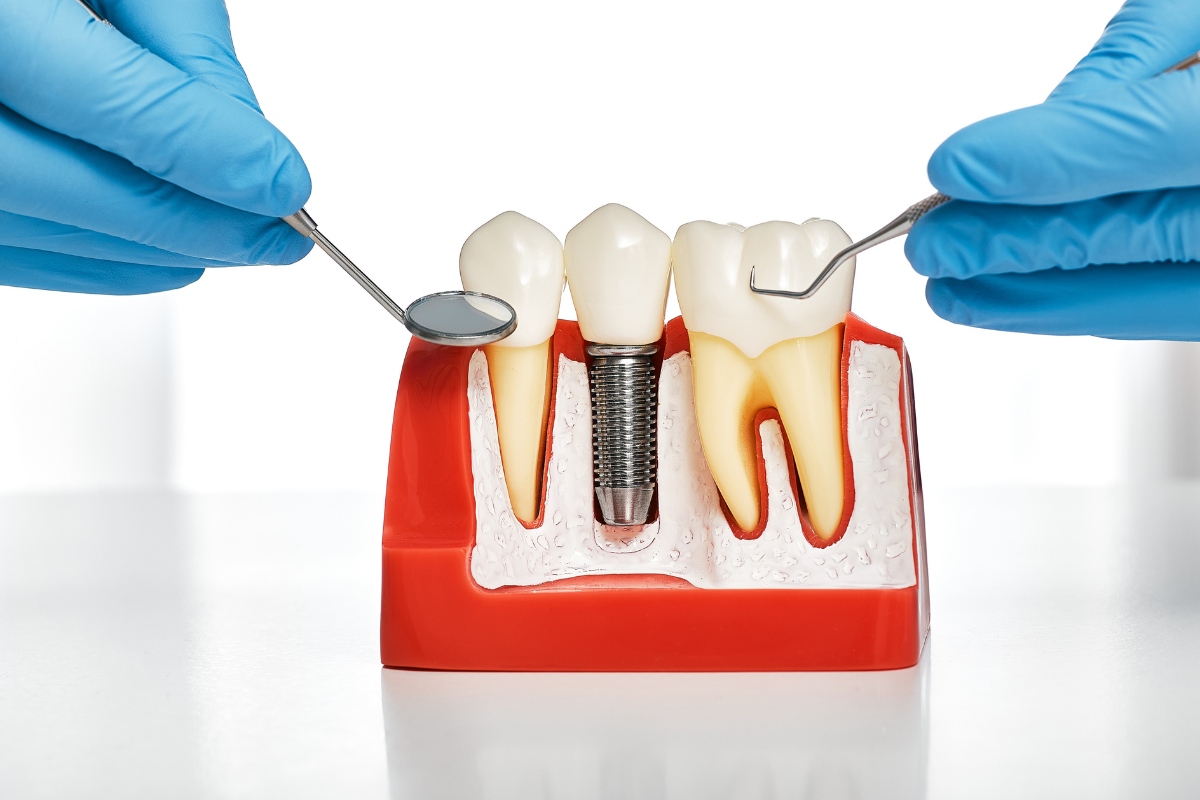
- They mimic natural tooth roots, integrating into the jawbone through a process called osseointegration. This preserves bone and supports facial structure.
- They provide high stability, allowing individuals to chew naturally, speak with confidence, and have fewer concerns about slipping or discomfort from adhesives.
- With proper care, they are designed to last decades, potentially a lifetime, and may cost less over time than repeatedly replacing removable prosthetics.
- Adjacent natural teeth remain untouched since implants do not rely on them for support.
Something To Evaluate
- Treatment for implanted teeth is more complex. It requires sufficient jawbone volume, an adequate healing time, and a commitment to maintenance.
- The initial out‑of‑pocket cost is higher compared with removable options.
- Even though failure rates are low when appropriately done, like all clinical treatments, success depends on health, care, and technique.
The Best Decision For Your Oral Health Investment In Buckeye
When you weigh the long-term performance, considering value and life cycle strictly, dental implants often come out ahead. For patients in Buckeye who are in good general health, have adequate bone support, or are willing to undergo preparatory work, the decision is increasingly clear: consider dental implants in Buckeye as your long‑term anchor for oral function and smile confidence.
Here Is A Quick Comparison:
- Longevity: Fixed root‑based replacements tend to exceed decades with proper care, while removable appliances may require relining or replacement every 10‑20 years.
- Bone preservation: Root‑based supports stimulate the jawbone and maintain structure; removable devices cannot.
- Lifestyle & food freedom: Root‑anchored devices allow a wider diet and more natural performance; removable appliances come with more dietary restrictions.
- Maintenance and predictability: Fixed options require routine hygiene, similar to natural teeth. Removable arrays require adhesives, removal, and frequent adjustments to ensure a proper fit.
Transform Your Smile With Confidence And The Right Choice
If your goal is a lasting investment in your smile, chewing function, and facial profile, and you are ready for the commitment required, artificial tooth roots are an ideal choice. In Buckeye, AZ, comparing practices reveals that more advanced providers emphasize durability, a natural feel, and bone preservation as key benefits. They emphasise individualized planning, modern imaging, and follow‑through care just as you would expect for top‑tier results.
Are you ready to take the next step? Contact our team at Market Street Dental Studio today to schedule a consultation and determine if you are a suitable candidate for dental implants in Buckeye. A confident, long‑lasting smile may be closer than you think.
Can tooth replacement with implants or removable prostheses improve bone preservation?
Yes, dental implants stimulate the jawbone, preserving its structure over time. Removable prostheses don’t offer this benefit, and over time, they may lead to further bone deterioration and facial sagging.
Will the removable solution shift or loosen during everyday activities?
Yes, removable dentures can shift while chewing or speaking due to their reliance on soft tissues. Over time, adjustments or adhesives may be necessary to maintain a comfortable and secure fit.
Is the recovery timeline different between a fixed root‑based replacement and a traditional removable option?
Implants require a healing period of several months for the bone to integrate with the implant. In contrast, removable prostheses are quicker to fit, but they may need regular adjustments later.
Can both solutions restore natural chewing and speech functionality?
Implants provide a natural chewing experience and clear speech by mimicking the appearance and function of real teeth. Conversely, while removable dentures are suitable for basic functions, they often restrict certain foods and can affect pronunciation over time.
What should I evaluate before choosing between these two paths?
Consider your overall oral health, the stability of your jawbone, and your long-term needs. Lifestyle preferences and maintenance commitments should also influence your decision between implants and dentures.