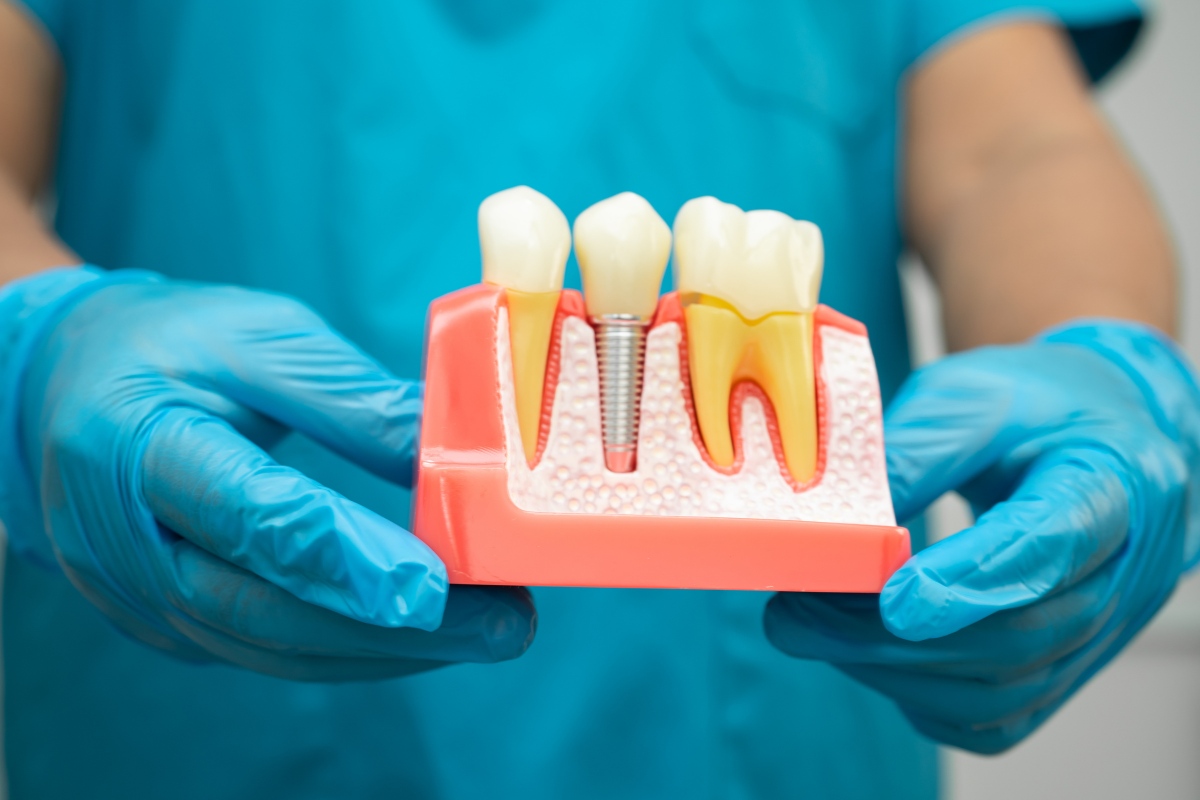
Yes, smokers can get dental implants, but the risks are higher, and success depends on how well healing is managed.
If you smoke and are considering implants, the outcome is not just about the procedure. It depends heavily on how your body heals after placement. Smoking affects blood flow, slows tissue repair, and increases the risk of complications.
Losing a tooth can change how you eat, speak, and feel about your smile. For many individuals, implants serve as the most similar substitute to natural teeth. However, if you smoke, it’s normal to question whether this option will work for you.
At Market Street Dental Studio, our recommendations are based on clinical experience and patient outcomes. Dr. Mark Wheeler evaluates each case carefully, especially when smoking is involved, to ensure safe and predictable results. If you’re considering dental implants in Buckeye, this is the right time to schedule a consultation and understand your options clearly.
Why Smoking Matters in Dental Implant Success
Implants rely on a process called osseointegration. This is when the implant fuses with your jawbone to create a stable foundation. Smoking interferes with this process in several ways.
Nicotine reduces blood flow. This limits oxygen and nutrients reaching the surgical site. As a result, healing slows down, and the bone may not integrate properly with the implant.
Smoking also weakens your immune response. This increases the risk of infection around the implant. Over time, this can lead to implant failure if not managed early.
In addition, heat and chemicals from smoking can irritate oral tissues. This irritation delays gum healing and may affect how the gums seal around the implant.
The Risk of Peri-Implantitis
One of the greatest threats to a smoker’s oral health is peri-implantitis. This is an inflammatory disease that affects the soft and hard tissues surrounding an implant. Because smoking weakens the immune system’s ability to fight off oral bacteria, smokers are statistically more likely to develop infections.
In our community, where we pride ourselves on our active outdoor lifestyles and community gatherings, the last thing you want is a painful infection sidelining you from a family brunch or a local festival. When the immune response is sluggish, bacteria can easily slip under the gumline, leading to bone loss and, eventually, the failure of the implant itself.
Can Smokers Still Get Implants?
Yes, smokers can still get implants. However, the success rate is generally lower compared to non-smokers.
The key factor is not whether you smoke, but how much and how consistently. Occasional smokers may have better outcomes than heavy smokers. Patients who are willing to pause or reduce smoking during the healing phase often see improved results.
When planning dental implants in Buckeye, implant specialists typically evaluate:
- Bone density and quality
- Gum health and presence of periodontal disease
- Smoking frequency and habits
- Overall health conditions, such as diabetes
This detailed assessment helps determine whether implants are a safe and predictable option for you.
How Smoking Affects the Healing Timeline
The first few weeks after implant placement are critical. During this time, your body begins forming new bone around the implant.
For smokers, this phase can be unpredictable. Healing may take longer, and the risk of complications is higher.
In many cases, implant specialists recommend avoiding smoking for at least:
- 1 week before surgery
- 2 to 3 months after surgery
This window allows the implant to stabilize properly. Even a temporary break from smoking can significantly improve outcomes.
Steps You Can Take to Improve Success
If you smoke but still want implants, there are practical ways to reduce your risk.
- Reduce or Pause Smoking: Cutting down before and after surgery improves blood flow and healing.
- Maintain Excellent Oral Hygiene: Brush and floss consistently. Clean gums heal faster and resist infection better.
- Follow Post-Op Instructions Carefully: Stick to your provider’s guidelines. This includes diet, medications, and activity restrictions.
- Attend Regular Check-Ups: Monitoring helps catch issues early. Early intervention can prevent implant failure.
- Consider Smoking Alternatives: Some patients temporarily switch to nicotine patches under medical guidance. This reduces exposure to harmful smoke chemicals.
Lifestyle Habits That Support Better Outcomes
Daily routines significantly influence the success of implants. This is especially true for smokers.
Spending time outdoors, staying hydrated, and maintaining a balanced diet can support healing. Many residents enjoy early morning walks or outdoor activities in open desert spaces, which can naturally encourage healthier routines.
Local food choices also matter. Meals rich in protein and vitamins help tissue repair. Options like grilled dishes, fresh vegetables, and nutrient-rich sides can support recovery without putting stress on healing gums.
Avoiding alcohol and staying consistent with sleep can further improve healing. These small changes add up and directly influence how well your implant integrates.
When Implants May Not Be Recommended
In some cases, implants may not be the best option for smokers. This usually depends on the severity of risk factors.
You may not be an ideal candidate if you have:
- Severe gum disease
- Significant bone loss
- Heavy smoking habits without a willingness to pause
- Uncontrolled medical conditions
In such situations, alternative treatments may be discussed. These could include bridges or dentures, depending on your needs.
However, many patients become eligible after improving their oral health or reducing smoking. A proper evaluation is essential before making any decision.
Move Forward With Clarity and Confidence
Choosing implants as a smoker is not about being disqualified. It is about understanding the risks and taking the right steps to improve your outcome. With proper planning, consistent care, and the right guidance, many patients still achieve stable and long-lasting results.
At Market Street Dental Studio, every decision is based on your specific needs and health profile. If you are ready to replace missing teeth and want honest, experience-backed recommendations, now is the time to act. Take the next step and schedule your consultation to explore a treatment plan designed around you.
FAQs
- Will my implant fail if I continue smoking after the procedure?
Smoking increases the risk of implant failure, but it does not guarantee it. Success depends on healing, oral hygiene, and how much you smoke during recovery. - How does smoking affect the healing of dental implants?
Smoking reduces blood flow to the gums and bone. This slows healing, increases infection risk, and can interfere with the implant bonding properly with the jaw. - Is it necessary to quit smoking before getting dental implants?
Quitting is not always required, but it is strongly recommended. Even stopping temporarily before and after surgery can significantly improve healing and overall implant success. - Can vaping or nicotine patches affect implant success?
Nicotine in any form can impact healing. While vaping or patches may reduce exposure to smoke, they can still affect blood flow and should be discussed with your provider. - What signs should I watch for after implant surgery as a smoker?
Look for prolonged pain, swelling, bleeding, or unusual discharge. These may indicate delayed healing or infection and should be evaluated promptly to avoid complications.