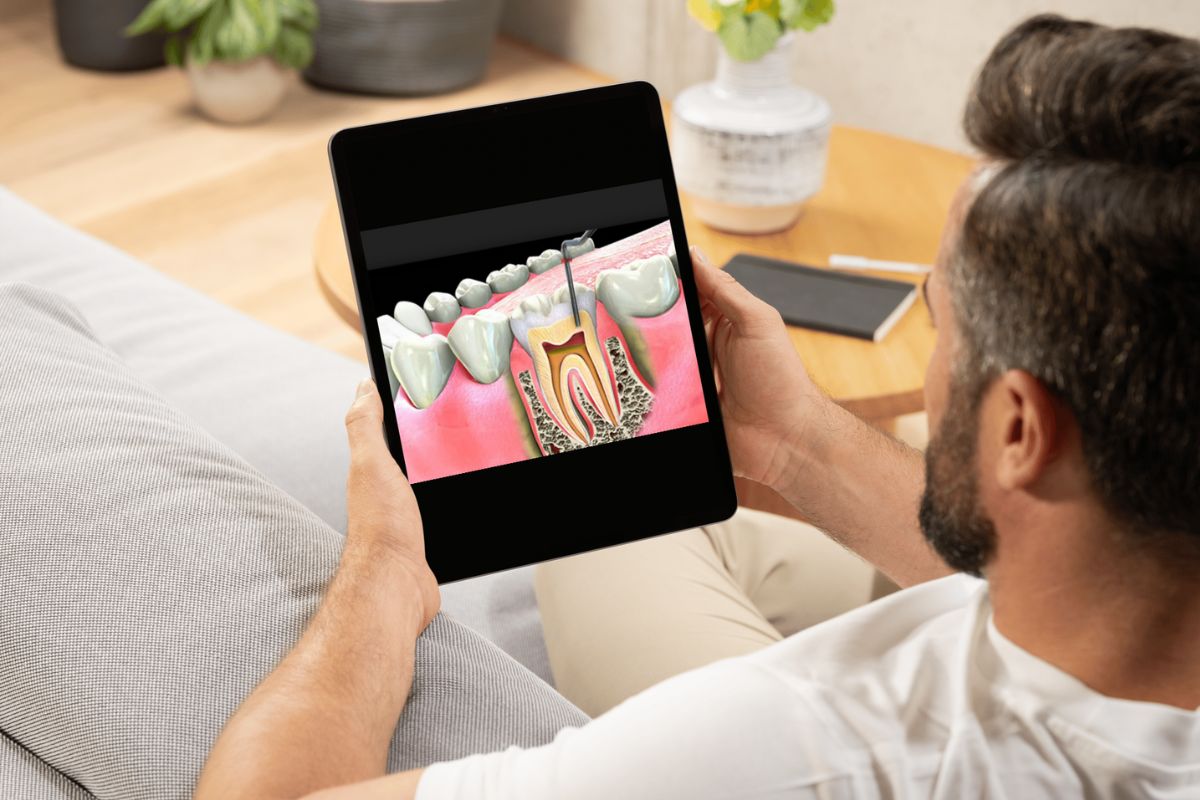
The words “root canal” often evoke fear and anxiety in people. However, with modern advancements in dentistry, root canal treatment has become a routine procedure that effectively saves teeth and alleviates pain.
This blog aims to address common concerns and equip you with the knowledge you need if a root canal is recommended for you.
What is Root Canal Treatment?
A root canal is a dental procedure that removes infected or inflamed pulp, the soft tissue inside the tooth that contains nerves and blood vessels. This infection or inflammation can be caused by deep decay, repeated dental procedures, or trauma to the tooth.
During the root canal treatment:
- Anesthesia: Local anesthesia numbs the area around the tooth, ensuring you don’t feel pain during the procedure.
- Accessing the pulp: The dentist creates a small opening in the tooth’s crown to access the pulp.
- Removing the pulp: The dentist carefully removes the infected or inflamed pulp.
- Cleaning and disinfecting: The dentist thoroughly cleans and disinfects the inside of the tooth, including the root canals.
- Sealing the tooth: After ensuring the area is free of infection, the dentist fills the canals with a special material and seals the opening in the tooth with a crown or filling.
Signs You Might Need a Root Canal
Here are some signs that might indicate you need a root canal:
- Persistent toothache: This pain can be constant or come and go, and it may worsen when eating, drinking, or applying pressure to the tooth.
- Sensitivity to hot and cold: The tooth may become extremely sensitive to hot and cold temperatures.
- Swollen gums: The gums around the affected tooth may become swollen and tender.
- Visible pimple on the gums: In some cases, an abscess (a pus-filled bump) may develop on the gums near the infected tooth.
If you experience any of these symptoms, scheduling an appointment with your dentist for a diagnosis and discussing your treatment options is crucial. Early intervention is key to preventing further complications and saving your tooth.
Caring for Your Treated Tooth
Following a root canal, proper care is essential to ensure the long-term success of the treatment and prevent future problems. Here’s how to care for your treated tooth:
- Maintain good oral hygiene: Brush your teeth twice a day and floss daily to remove plaque and bacteria.
- Use a soft-bristled toothbrush: This will help prevent further damage to the crown of the tooth.
- Avoid chewing hard foods: This can put stress on the treated tooth and increase the risk of chipping or fracturing.
- Attend regular dental checkups: Schedule regular dental checkups and cleanings so your dentist can monitor the treated tooth and your oral health.
While a root canal might sound daunting, it’s a necessary procedure that can save your tooth and alleviate pain. With modern techniques and proper care, root canal treatment can be a successful and positive experience. Remember, early diagnosis and prompt treatment are key to a healthy smile. If you have any concerns about your oral health or suspect you might need a root canal, don’t hesitate to consult your dentist.