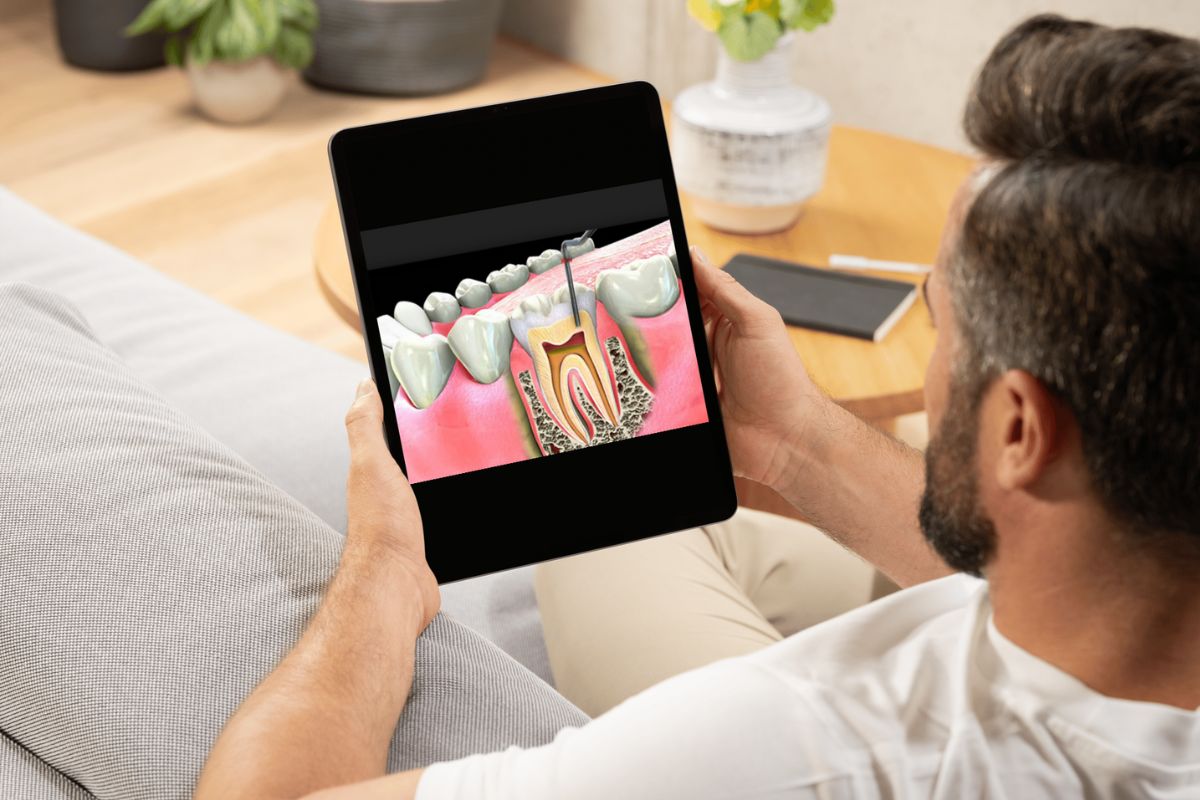
When dental problems like cavities, decay, and infection arise, you can reverse them with pulpotomy or root canal therapy. While both treatments address issues within the tooth pulp, they serve different purposes and are recommended based on the condition’s severity. Understanding the differences between these endodontic procedures can help you preserve your dental health and structure.
Not sure which treatment you need to ensure optimal protection of your teeth? Scroll down for insights into root canals and pulpotomies.
What is a Pulpotomy?
A pulpotomy involves removing the diseased portion of the pulp from a tooth while preserving the remaining tissue. This treatment is typically performed on primary (baby) teeth and, in some cases, permanent teeth.
When is a Pulpotomy Needed?
A pulpotomy is usually recommended when the pulp inside the tooth becomes inflamed or infected but has not spread beyond the crown portion of the tooth. Common causes include:
- Deep cavities reaching the pulp
- Traumatic injury to the tooth
- Infections due to untreated decay
An inflamed pulp can lead to severe pain, abscess formation, and further complications if left untreated. Removing pulpal tissue helps alleviate pain and preserve the tooth’s function.
What Can Be Expected Following Pulp Removal?
Patients may have moderate discomfort following the treatment, which can be controlled with over-the-counter painkillers. Following treatment, some typical symptoms include:
- Slight bleeding or temporary swelling
- Sensitivity in the treated tooth
- Follow-up consultations to track the healing
A protective dental crown is frequently placed over it to preserve the tooth’s strength and stop further decay or infection.
Root Canal: What is it?
The entire tooth, including the roots, must remove the diseased or injured pulp as part of this more involved procedure. This operation is frequently performed on permanent teeth to avoid extraction and maintain the original tooth structure.
When is a Root Canal Needed?
This endodontic treatment is necessary when the infection or damage extends beyond the pulp chamber into the roots. Your dentist or endodontist may recommend it if:
- You experience persistent tooth pain that does not subside with medication
- The tooth is severely decayed or cracked
- You have an abscess or pus formation around the affected tooth
- The infection has spread to the surrounding bone or gum tissue
Ignoring these symptoms can lead to serious complications, including tooth loss and systemic infections.
How is this Endodontic Procedure Done?
Expect the following stages during the dental pulp removal procedure:
- Your dentist numbs the area and removes the infected pulp.
- The diseased tissues are cleaned, disinfected, and shaped to prevent reinfection.
- The empty canals are filled with a biocompatible material to seal the tooth.
- A dental crown is placed to restore strength and function.
This endodontic treatment helps save the tooth and prevents the need for extraction.
What to Expect After a Root Canal?
Patients may feel mild discomfort or sensitivity for a few days, managed with prescribed or over-the-counter pain relievers. Besides, recovery is usually smooth, and a root canal-treated tooth can last a lifetime with proper care.
How Root Canals Differ from Pulpotomies?
Although their goals differ, both endodontic procedures save your tooth and reduce discomfort. In primary teeth or situations when only the crown section of the pulp is impacted, a pulpotomy is a minimally invasive technique. However, a root canal is required when the infection spreads to the roots and necessitates total pulp removal.
Although a dental crown may be required for both treatments, tooth nerve removal is more involved and needs more time to recover. The severity of your infection and whether the tooth is primary or permanent will determine which endodontic procedure is best.
A pulpotomy is frequently the best course for treating baby or moderately diseased permanent teeth. Your dentist might advise extracting the tooth nerve to treat more severe infections in permanent teeth.
Schedule your dental appointment if you are suffering from tooth pain or any indications of infection. Early diagnosis and treatment can save your tooth and prevent other issues. Contact your dentist to discuss your choices for maintaining healthy teeth.