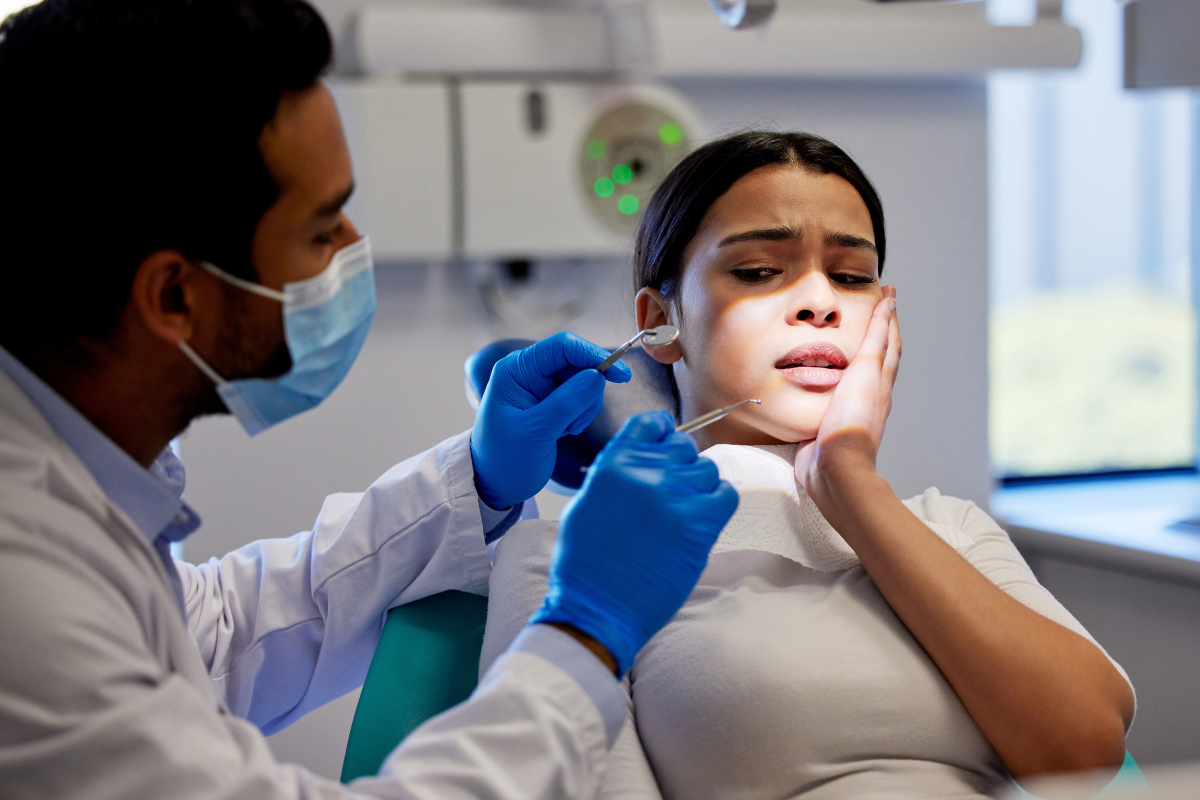
Dental emergencies rarely happen at convenient times. You might bite down on something and crack a tooth during dinner, wake up with intense tooth pain, or watch your child take a fall and damage a front tooth. In those first few moments, it is natural to feel worried. However, knowing what to do can help you protect your smile and make better decisions until you receive professional care.
The key is to remain calm, assess what happened, protect the injured area, and contact a dental office promptly. Some situations need same-day attention, while certain facial injuries or potentially life-threatening symptoms require hospital emergency care.
At Market Street Dental Studio, Dr. Mark Wheeler and Dr. Shane Maule help patients in Buckeye manage urgent oral health problems with prompt, appropriate care. If you are dealing with unexpected dental pain or an injury, visit our dental office in Buckeye so our team can evaluate the problem and help you determine the next step.
First Things First: What Counts as a Dental Emergency?
Not every uncomfortable dental problem is an emergency, but certain symptoms should never be ignored. As dentists, we generally become more concerned when a condition involves severe pain, trauma, uncontrolled bleeding, infection, or the possibility of losing a tooth.
Problems that may require urgent dental attention include:
- Severe or persistent tooth pain
- A knocked-out permanent tooth
- A badly cracked or broken tooth
- A loose or displaced permanent tooth
- A dental abscess or significant swelling
- A lost or broken crown or filling accompanied by pain
- Bleeding that does not stop
- Cuts or injuries involving the gums, tongue, cheeks, or lips
- Broken orthodontic appliances causing injury
Knowing these warning signs can make dental emergencies in Buckeye less confusing. Instead of trying to diagnose the exact problem yourself, focus on protecting the area and contacting a dentist for guidance.
How Can You Stay Calm During a Dental Emergency?
Your first reaction matters. Panic can make it difficult to assess the injury or explain what happened when you call the dental office.
Start by taking a moment to look at the situation. Is there bleeding? Is a tooth missing? Is there swelling? Did the problem result from an accident, or did pain suddenly develop without an obvious injury?
Next, gather important information. Note when the symptoms started, where the pain is located, whether swelling is increasing, and whether you have any broken tooth fragments or restorations.
Then call your dental office. Describe your symptoms as clearly as possible. This allows the dental team to assess the urgency and provide instructions for what you should do before arriving.
What Should You Do for a Severe Toothache?
A severe toothache is more than an inconvenience. It can result from deep decay, inflammation inside the tooth, a crack, infection, gum problems, or another condition that needs professional evaluation.
Gently rinse your mouth with warm water and floss around the affected tooth to remove any food that may be trapped between the teeth. Avoid placing aspirin directly against the tooth or gums because this can irritate soft tissues.
If you can safely take over-the-counter pain medication, follow the product directions and any recommendations from your healthcare provider. Pain medication may temporarily reduce discomfort, but it does not treat the underlying dental problem.
Call a dentist promptly when pain is intense, persistent, interferes with sleep, or occurs with swelling or fever.
What If You Knock Out a Permanent Tooth?
A knocked-out permanent tooth is one situation where acting quickly can make a significant difference.
First, locate the tooth and pick it up by the crown, which is the white portion normally visible above the gumline. Avoid touching the root. If the tooth is dirty, gently rinse it without scrubbing or removing attached tissue.
If possible, carefully place the permanent tooth back into its socket without forcing it. If reinsertion is not possible, keep the tooth moist, such as by placing it in milk, and seek dental care immediately.
Do not follow these steps for a knocked-out baby tooth. Replacing a primary tooth in its socket can potentially harm the developing permanent tooth underneath.
For a knocked-out permanent tooth, time matters, so contact the dental office immediately rather than waiting to see whether the area feels better.
How Should You Handle a Chipped or Broken Tooth?
A small chip may not always require immediate treatment, but a significant fracture can expose sensitive internal tooth structures and cause considerable discomfort.
Rinse your mouth gently with warm water. If you find pieces of the tooth, save them and bring them with you. Apply a cold compress to the outside of your face if swelling develops.
Avoid chewing on the injured side. Hard, crunchy, sticky, and extremely hot or cold foods may increase sensitivity or cause additional damage.
Even when a broken tooth does not hurt, schedule an evaluation. Some fractures extend deeper than they initially appear.
Is a Lost Filling or Crown an Emergency?
A lost filling or crown can expose the underlying tooth and make it sensitive to pressure, temperature, or sweets.
If a crown comes off, save it in a clean container and bring it to your appointment. Do not use household glue or other non-dental adhesives to reattach it.
Until you receive care, avoid chewing on that side of your mouth and keep the area clean. Contact your dentist to explain what happened. The urgency will depend on the condition of the tooth, the restoration, and your symptoms.
Seeking care early may help prevent further damage to the exposed tooth.
When Does Dental Swelling Become Serious?
Swelling around a tooth or gum can indicate infection, particularly when it occurs with throbbing pain, tenderness, an unpleasant taste, fever, or a pimple-like bump on the gums.
A dental abscess should not be squeezed, punctured, or treated with leftover antibiotics. Dental infections often require treatment of their source, rather than simply masking symptoms.
Contact a dentist promptly if you notice localized swelling or symptoms of infection.
Seek emergency medical attention if swelling becomes extensive, spreads into the face or neck, or interferes with breathing or swallowing. These symptoms can indicate a potentially serious infection that requires immediate medical assessment.
What Should You Do If Your Mouth Is Bleeding?
Minor bleeding from a bitten lip, tongue, or cheek may respond to gentle pressure. Place clean gauze over the injured area and maintain steady pressure. A cold compress placed outside the mouth may also help with swelling.
If bleeding remains heavy or cannot be controlled, seek immediate medical attention.
Facial trauma also deserves special consideration. If you suspect a broken jaw, have difficulty breathing, lose consciousness, or experience a significant head or facial injury, call 911 or go to an emergency department rather than waiting for a routine dental appointment.
Should You Go to a Dentist or the Emergency Room?
Knowing where to seek care can save valuable time.
An emergency dentist in Buckeye is generally the appropriate first contact for urgent problems primarily involving the teeth and gums, such as severe tooth pain, a broken tooth, a knocked-out permanent tooth, or a damaged restoration.
A hospital emergency department is more appropriate for potentially life-threatening or major medical concerns, including:
- Difficulty breathing or swallowing
- Uncontrolled or excessive bleeding
- Severe facial trauma
- Suspected jaw fracture
- Loss of consciousness
- Rapidly spreading facial or neck swelling.
When you are uncertain, call the dental office and clearly describe your symptoms. The team can help determine whether dental treatment or emergency medical evaluation is the appropriate next step.
What Happens During an Emergency Dental Appointment?
The purpose of an emergency appointment is not simply to make the pain disappear. We need to determine what caused the problem and identify the safest way to address it.
Your visit may begin with a discussion of your symptoms, medical history, medications, and how the injury occurred. The dentist will examine the affected tooth and surrounding tissues. Dental X-rays may be recommended when they are necessary to assess decay, infection, fractures, roots, or supporting bone.
Treatment depends entirely on the diagnosis. Depending on the problem, care might involve repairing a damaged restoration, treating an injured tooth, addressing an infection, performing root canal therapy, or removing a tooth that cannot be predictably saved.
In some cases, the immediate goal is stabilizing the problem and controlling discomfort, followed by definitive treatment at another appointment.
How Can Buckeye Families Prepare Before an Emergency Happens?
Preparation makes stressful situations easier to manage. Keep your dentist’s phone number saved in your phone and make sure other family members know where to find it.
A basic dental emergency kit can include sterile gauze, a small clean container with a lid, dental floss, and a cold pack. If someone in your family participates in contact or recreational sports, ask your dentist about an appropriate mouthguard.
Regular dental examinations also matter. They allow dentists to identify decay, weakened restorations, cracks, gum problems, and other concerns before some of them develop into urgent situations.
Of course, accidents cannot always be prevented. The goal is to know what to do when one occurs.
Stay Prepared and Know Who to Call in Buckeye
A dental emergency can be unsettling, but you do not have to make complicated treatment decisions on your own. Protect the affected area, control bleeding when possible, save any knocked-out permanent tooth or broken pieces, and contact a dental professional promptly.
Market Street Dental Studio provides same-day emergency appointments for patients who need urgent dental care. If you are experiencing dental emergencies in Buckeye, early evaluation can help determine the cause, relieve discomfort, and reduce the risk of further complications.
If sudden tooth pain, swelling, a broken restoration, or an oral injury has you searching for an emergency dentist in Buckeye, contact Market Street Dental Studio at (623) 900-9996 to request an appointment.
Frequently Asked Questions About Dental Emergencies
- How do I know whether my toothache is a dental emergency?
Severe, persistent, or worsening tooth pain deserves prompt evaluation, particularly when accompanied by swelling, fever, drainage, or pain when biting. These symptoms may indicate decay, infection, inflammation, or damage requiring professional dental treatment rather than home remedies.
- Can I wait until tomorrow if I break a tooth at night?
It depends on the severity of the fracture. Minor chips may sometimes wait, but significant fractures, severe pain, bleeding, or exposed inner tooth structures require prompt guidance. Contact a dental professional to determine how urgently you need treatment.
- What should I do if my child’s permanent tooth gets knocked out?
Pick up the tooth by its crown, avoid touching the root, and gently rinse it if dirty. Keep it moist and seek dental treatment immediately. Quick action can improve the possibility of successfully preserving a knocked-out permanent tooth.
- Can an emergency room treat severe tooth pain?
Emergency departments can manage serious medical complications and may provide temporary symptom relief, but they generally do not provide definitive restorative dental treatment. For problems limited to teeth and gums, contacting a dentist is usually the appropriate first step.
- Is facial swelling from a tooth infection dangerous?
It can be. Dental infections may spread beyond the original tooth. Seek urgent evaluation for increasing swelling. If swelling spreads toward your neck or affects breathing or swallowing, seek emergency medical care immediately rather than waiting for dental treatment.
- What should I keep in a dental emergency kit at home?
Keep sterile gauze, dental floss, a small clean container with a secure lid, and a cold pack readily available. Also save your dental office’s contact information so you can quickly request professional instructions when an unexpected dental problem occurs.
- Can pain medicine fix a dental emergency temporarily?
Over-the-counter medication may temporarily reduce some dental pain when medically appropriate, but it does not correct problems such as infection, deep decay, or fractures. Professional evaluation remains important for identifying and treating the underlying cause of your symptoms.