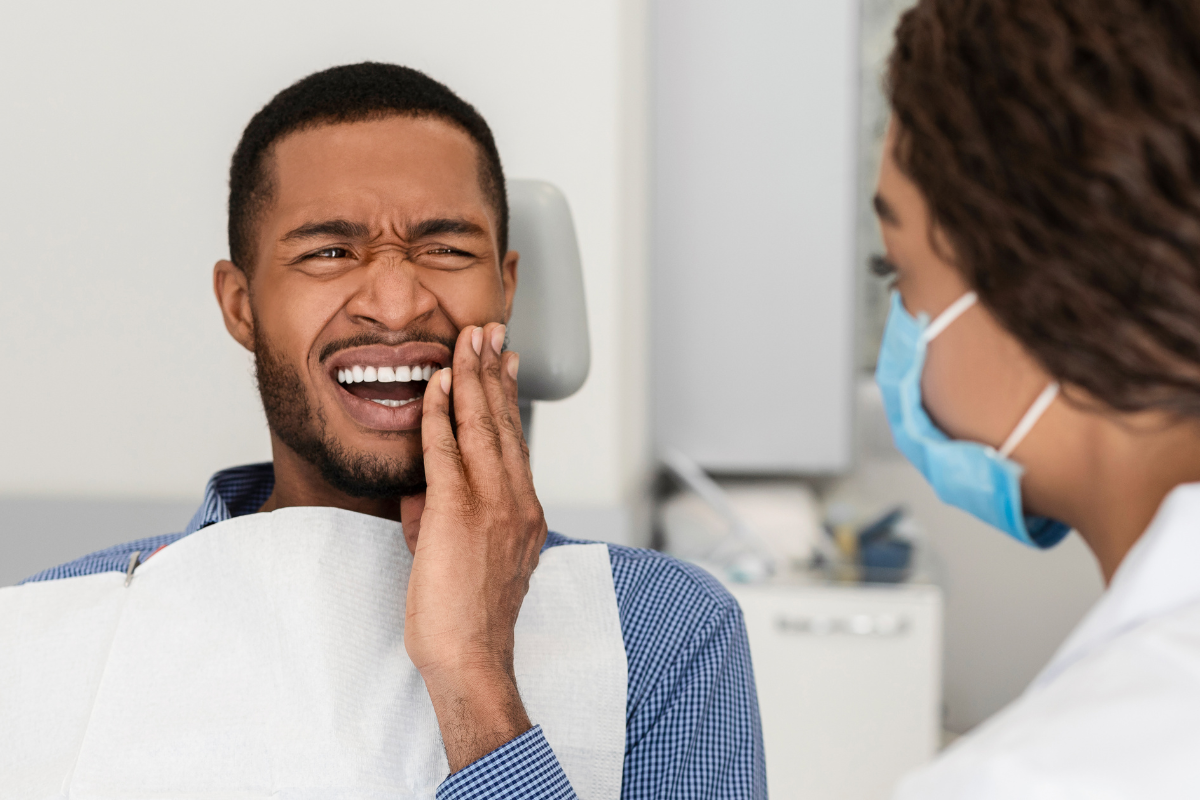
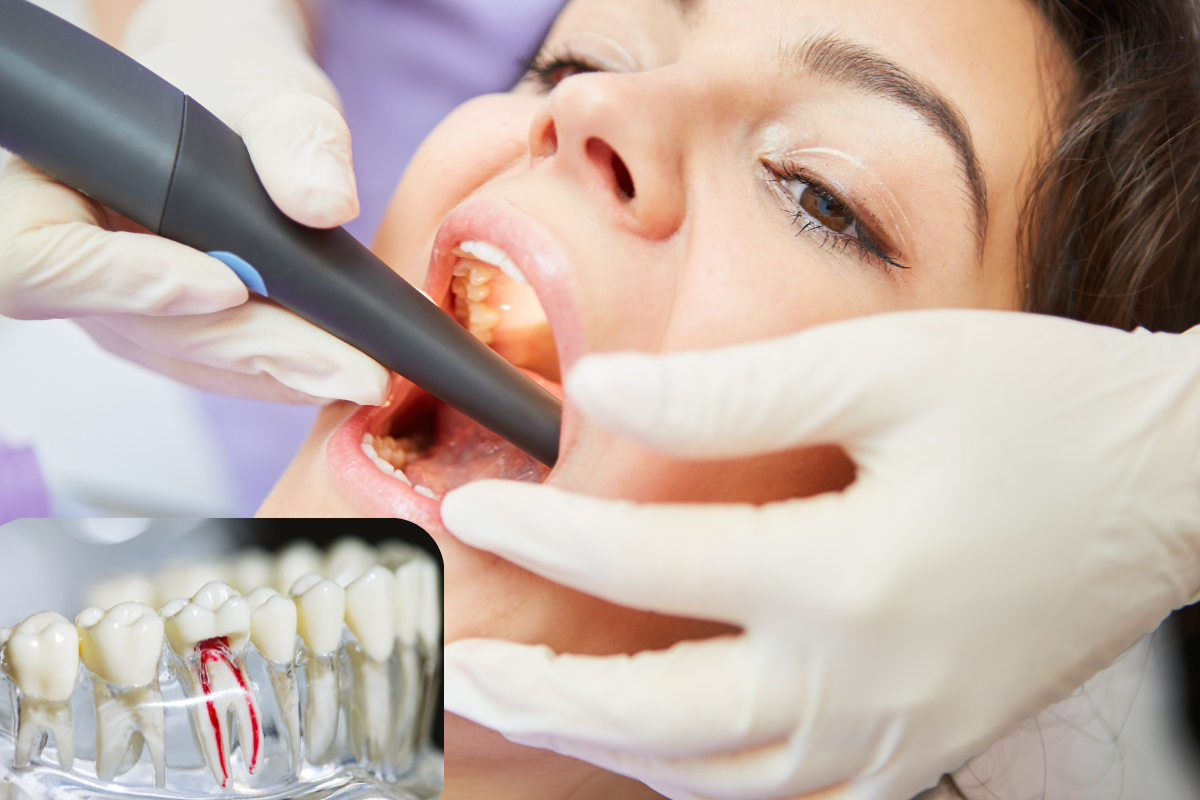
A cracked or broken tooth should never be ignored. Even a small fracture can expose sensitive inner tooth structures, allow bacteria to enter, and lead to complications that may threaten the tooth’s long-term health. Visiting an emergency dentist immediately gives you the best chance of preserving your natural tooth and avoiding more extensive treatment.
Many people assume a chipped or cracked tooth can wait until the pain becomes severe. Unfortunately, dental injuries rarely improve on their own. What looks minor on the surface may extend deep into the tooth, where damage is not visible. Prompt evaluation is often the difference between a straightforward repair and a more complex dental emergency.
Can a Cracked Tooth Wait Until Next Week?
No. A cracked tooth should be evaluated as soon as possible because fractures often worsen under normal chewing pressure. Delaying treatment increases the risk of infection, nerve damage, and tooth loss.
Every time you bite, chew, or clench your teeth, pressure is placed on the damaged area. Even if discomfort is mild, microscopic movement can cause the fracture to spread deeper into the tooth.
Many patients are surprised to learn that some of the most serious cracks initially cause very little pain. By the time symptoms become severe, bacteria may already have reached deeper structures.
This is why emergency dentists encourage patients to seek care immediately after noticing a crack, break, or sudden change in how a tooth feels.
Why Is a Cracked or Broken Tooth Considered a Dental Emergency?
A cracked or broken tooth is considered a dental emergency because damage to the tooth’s protective structure can quickly lead to infection, worsening fractures, and loss of tooth strength.
Teeth are incredibly durable, but they are not indestructible. Common causes of dental fractures include:
- Biting hard foods
- Sports-related injuries
- Falls and accidents
- Teeth grinding
- Large aging fillings
- Untreated tooth decay
- Sudden impacts to the mouth
In a growing community where residents enjoy outdoor activities, youth sports, hiking, and family gatherings, dental injuries can happen unexpectedly. Whether you’re spending time near Skyline Regional Park or enjoying a meal at one of the area’s popular local eateries, a single accident can result in a painful fracture.
The real concern is not always the visible damage. It is what happens beneath the surface after the injury occurs.
What Many Patients Don’t Realize About Cracked Teeth
Pain is not always a reliable indicator of how serious a crack may be. Some of the most significant fractures initially cause little or no discomfort.
In our emergency evaluations, we often find fractures extending deeper than patients expect. Many people arrive believing they have a simple chip, only to discover the crack has reached vulnerable inner layers of the tooth.
Deep cracks may:
- Extend below the gumline
- Reach the nerve of the tooth
- Trap bacteria beneath the surface
- Cause hidden structural weakness
- Become larger with everyday chewing
This is one reason why delaying treatment can be risky. A tooth that feels manageable today may become significantly more difficult to save later.
What Happens If You Delay Treatment?
Waiting to see a dentist allows a minor fracture to grow larger, increase the risk of infection, and reduce the chances of saving the tooth.
Unlike skin or bone, tooth enamel cannot heal itself. Once damage occurs, professional treatment is necessary.
The Crack May Continue to Spread
Normal chewing forces can gradually widen a fracture. A tooth that could have been repaired early may eventually require more extensive treatment.
Infection Risk Increases
When bacteria gain access to the inner portion of the tooth, infection can develop. This may lead to swelling, severe discomfort, and damage to surrounding tissues.
Sensitivity Can Become Persistent
Many fractured teeth become increasingly sensitive to hot, cold, and pressure. This often interferes with eating and daily comfort.
Tooth Loss Becomes More Likely
The longer a crack remains untreated, the more difficult it may become to preserve the natural tooth.
According to the National Institute of Dental and Craniofacial Research, untreated dental disease weakens tooth structure and contributes to many preventable dental complications. Early intervention remains one of the most effective ways to protect long-term oral health.
How Can an Emergency Dental Practitioner Save a Damaged Tooth?
A trusted emergency dentist in Buckeye evaluates the extent of damage and provides treatment before the condition worsens. Early care often preserves more healthy tooth structure and improves long-term outcomes.
Many patients are unsure whether their injury is serious enough for urgent care. The safest approach is to have the tooth evaluated promptly. Treatment depends on the location, depth, and severity of the fracture.
Dental Bonding
Small chips and minor fractures can often be repaired using tooth-colored bonding material that restores appearance and function.
Dental Crowns
When a fracture weakens the tooth, a dental crown can provide strength and protection while preserving the remaining healthy structure.
Root Canal Therapy
If the crack allows bacteria to reach the pulp, root canal treatment may remove infection and help save the tooth.
Tooth Extraction
When a fracture extends too deeply to be repaired predictably, extraction may be recommended to protect surrounding tissues and oral health.
The earlier treatment begins, the more options are typically available.
Signs You Should Contact an Emergency Dental Practitioner Immediately
Certain symptoms indicate that a cracked or broken tooth requires urgent professional evaluation. Waiting can increase the risk of complications.
Contact a professional immediately if you experience:
- Sharp pain while biting
- Persistent toothache
- Swelling around the tooth or gums
- Sensitivity to hot or cold foods
- Visible cracks or breaks
- Bleeding near the affected tooth
- A loose or shifting tooth
- Facial swelling
These symptoms frequently accompany serious dental emergencies in Buckeye and should not be ignored.
What Should You Do Before You Reach the Dentist?
Simple first-aid measures can help protect the damaged tooth and reduce discomfort until professional treatment is available.
If your tooth cracks or breaks:
- Rinse your mouth gently with warm water.
- Save any broken pieces if possible.
- Apply a cold compress to reduce swelling.
- Avoid chewing on the injured side.
- Use over-the-counter pain relief as directed.
- Contact a dental office immediately.
Avoid chewing ice, hard candy, nuts, popcorn kernels, or other hard foods until the tooth has been evaluated.
Should You Visit an Emergency Room or an Emergency Dentist?
Most cracked and broken teeth should be treated by an emergency dentist. However, severe facial injuries may require immediate medical care.
Visit an emergency room if you experience:
- Suspected jaw fractures
- Uncontrolled bleeding
- Difficulty breathing
- Significant facial trauma
- Loss of consciousness
For most tooth-related injuries, an emergency dental evaluation is the most appropriate first step.
Why Prompt Emergency Care Matters for Local Families
Quick treatment helps preserve teeth, reduce discomfort, and prevent complications that may affect long-term oral health.
Many residents lead active lifestyles involving outdoor recreation, sports, and family activities. While accidents happen unexpectedly, delaying treatment after a dental injury often creates avoidable problems.
Likewise, some of the most serious dental emergencies begin as small chips or cracks that initially seem harmless. Early evaluation provides peace of mind and often leads to simpler treatment solutions.
Don’t Assume a Broken Tooth Will Get Better on Its Own
Even a small crack can become a larger problem if left untreated. Prompt professional evaluation gives you the best opportunity to preserve your natural tooth, prevent infection, and avoid more extensive treatment in the future.
At Market Street Dental Studio, our team provides prompt care for patients experiencing dental injuries and urgent oral health concerns. If you have a cracked or broken tooth, visit our dental office for a personalized evaluation. Call us today to receive a thorough diagnosis and learn which treatment option best supports your specific dental needs.
Frequently Asked Questions
1. How quickly should I see a dentist after cracking a tooth?
You should schedule an evaluation as soon as possible. Early treatment helps prevent the crack from worsening and reduces the risk of infection.
2. Can a cracked tooth heal on its own?
No. Teeth cannot regenerate damaged enamel or repair fractures naturally. Professional dental treatment is necessary to stabilize and protect the tooth.
3. Is every broken tooth considered a dental emergency?
Not every broken tooth causes severe pain, but all fractures should be examined promptly. Hidden damage may exist beneath the visible portion.
4. Can a cracked tooth become infected?
Yes. Cracks can allow bacteria to enter the tooth’s inner layers. This may eventually lead to infection, swelling, and additional treatment needs.
5. Why does my tooth hurt only when I bite down?
Biting pressure can cause movement along the fracture line. This movement irritates internal structures and often creates sharp, temporary pain.
6. What foods should I avoid after breaking a tooth?
Avoid hard, crunchy, sticky, or extremely hot and cold foods. These foods can aggravate the injury and increase discomfort.
7. Can a dentist save a severely cracked tooth?
Many severely cracked teeth can still be treated successfully. The outcome depends on the depth, location, and extent of the fracture.