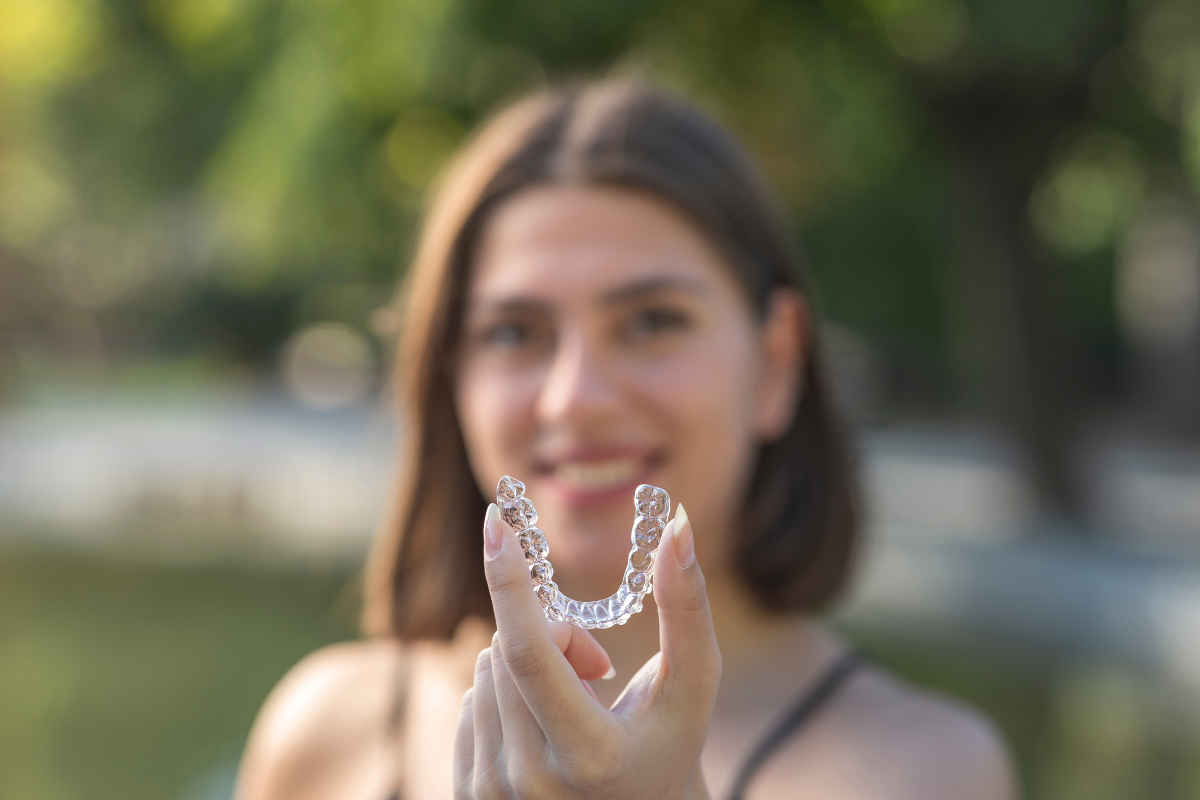
Aging naturally brings changes to your smile. Over the years, teeth may become darker, worn, chipped, or damaged. Some people also experience tooth loss, gum recession, or changes in the way their teeth fit together. While these changes are common, they do not mean you have to live with a smile that makes you feel uncomfortable or less confident. Consulting a cosmetic dentist in Buckeye can help you understand which options may be appropriate for your smile.
Modern dental treatments can address many cosmetic and restorative concerns while taking your overall oral health into account. Whether you want a brighter smile, need to repair damaged teeth, or are looking for a solution for missing teeth, a personalized treatment plan can help you achieve a healthier and more confident smile.
How Does Aging Affect Your Smile?
Your teeth and gums naturally change as you get older. Years of chewing, exposure to foods and beverages, and daily wear can gradually affect the appearance and function of your smile.
Some common changes include:
- Tooth discoloration: Enamel can become thinner over time, allowing the naturally darker dentin underneath to become more visible. Years of coffee, tea, wine, tobacco, and other staining foods can also contribute to discoloration.
- Chips and cracks: Teeth can become more vulnerable to damage as years of wear accumulate.
- Worn-down teeth: Grinding, clenching, acidic foods, and normal use can gradually change the shape and length of teeth.
- Gum recession: Receding gums can expose tooth roots, which may increase sensitivity and make teeth appear longer.
- Missing teeth: Tooth loss may result from decay, gum disease, trauma, or other dental concerns.
- Changes in spacing: Teeth can shift over time, creating gaps or changes in alignment.
These changes can affect more than appearance. Damaged or missing teeth may make chewing more difficult, while certain oral health problems can affect your comfort and quality of life.
Cosmetic and Restorative Options for Older Adults
There is no single treatment that works for every patient. The right option depends on the condition of your teeth, gums, bite, overall health, and personal goals.
Professional Teeth Whitening
If discoloration is your primary concern, professional teeth whitening may help brighten your smile. Professional treatment can address many types of surface stains and may provide more predictable results than over-the-counter whitening products.
Patients with sensitive teeth or gum recession may need a customized approach. Your dentist can determine whether whitening is appropriate and recommend a method that considers your oral health.
Dental Veneers
Veneers are thin, custom-made restorations designed to cover the front surfaces of selected teeth. They may improve the appearance of teeth affected by discoloration, chips, certain shape irregularities, or minor spacing concerns.
Veneers are not appropriate for everyone. A dental evaluation is important to determine whether your teeth and gums are healthy enough for this treatment.
Cosmetic Bonding
Dental bonding can improve the appearance of teeth with minor chips, cracks, discoloration, or shape concerns. A tooth-colored material is applied and shaped to blend with the surrounding teeth.
Bonding can be a conservative option for certain cosmetic concerns and may require less alteration of the natural tooth than some other treatments.
Dental Crowns
Crowns can be useful when a tooth is significantly weakened, damaged, or affected by decay. Unlike cosmetic treatments that primarily address the visible surface, a crown covers the entire visible portion of the tooth.
A crown can restore the tooth’s shape, strength, function, and appearance.
Dental Implants
Missing teeth can affect both your smile and your ability to chew comfortably. Dental implants provide a stable replacement option by using an implant post placed in the jawbone to support a dental restoration.
Implant treatment requires an evaluation of your oral health and jawbone. Your dentist can determine whether implants are appropriate for your situation.
Dentures and Bridges
Dentures and bridges can replace one or multiple missing teeth. Modern options are designed to provide a more natural appearance while restoring useful dental function.
The best tooth replacement option depends on the number and location of missing teeth, your oral health, bone support, lifestyle, and treatment goals.
Why Oral Health Comes First
Cosmetic improvements should always be considered alongside your overall dental health.
Before beginning cosmetic treatment, your dentist may evaluate your teeth and gums for problems such as decay, gum disease, infection, worn enamel, or damaged restorations. Treating underlying problems first can create a healthier foundation for cosmetic or restorative treatment.
This is especially important for older adults because certain medications and medical conditions can affect oral health or influence dental treatment.
Your dentist may need to consider your medications, medical history, gum health, tooth sensitivity, and other factors when developing your treatment plan.
Can Cosmetic Dentistry Improve More Than Appearance?
In some cases, yes. Cosmetic and restorative dental care can improve the appearance of your smile while also addressing functional concerns.
Repairing damaged teeth may make chewing more comfortable. Replacing missing teeth can help restore dental function. Treating worn or weakened teeth may help protect them from additional damage.
A brighter or more balanced smile can also improve confidence. Feeling comfortable smiling, speaking, and interacting with others can have a positive effect on everyday life.
The goal should not simply be to make your teeth look younger. It should be to create a smile that looks natural, feels comfortable, and supports your oral health.
Why Personalized Treatment Matters
Every patient has different dental needs. Two people of the same age may have completely different levels of tooth wear, gum health, tooth loss, and cosmetic concerns.
That is why a personalized evaluation is important.
Your dentist can discuss what bothers you about your smile, examine your oral health, and explain which treatments may be appropriate. You can also discuss your priorities, comfort level, and desired results before deciding on treatment.
A personalized approach helps ensure that treatment is based on your actual dental needs rather than your age alone.
What Should You Consider Before Treatment?
Before choosing a cosmetic or restorative procedure, ask your dentist about:
- The condition of your teeth and gums
- Your available treatment options
- Expected results
- Treatment time
- Maintenance requirements
- Potential sensitivity or discomfort
- The longevity of the restoration or treatment
- How the treatment may affect your oral health
Having a clear understanding of your options can help you make an informed decision.
Maintaining Your Smile After Treatment
Cosmetic and restorative treatment is an investment in your smile, so maintaining good oral habits is essential.
Brush twice daily with fluoride toothpaste and clean between your teeth every day. Continue regular dental checkups so your dentist can monitor your teeth, gums, and restorations.
If you have dentures, bridges, implants, veneers, crowns, or other dental work, follow the specific care instructions provided by your dental team.
Avoid using your teeth to open packages or biting down on very hard objects, as these habits can damage natural teeth and restorations.
Regular professional care can also help identify small problems before they become more complicated.
Frequently Asked Questions
- Is cosmetic dentistry appropriate for older adults?
Yes. Age alone does not prevent someone from receiving cosmetic dental treatment. Your dentist will consider your oral health, medical history, medications, and treatment goals when determining which options may be appropriate.
- Can older adults safely whiten their teeth?
Many older adults can benefit from professional teeth whitening, but tooth sensitivity, gum recession, enamel condition, and existing dental restorations should be considered first. A dental evaluation can help determine whether whitening is suitable for you.
- What is the best option for replacing missing teeth?
There is no single best option for everyone. Dental implants, bridges, and dentures can all replace missing teeth, depending on your oral health, bone support, number of missing teeth, and personal preferences.
- Can cosmetic dentistry repair worn-down teeth?
Depending on the cause and severity of tooth wear, treatments such as bonding, crowns, veneers, or other restorative options may help improve the appearance and function of worn teeth. Your dentist can recommend an appropriate approach after an examination.
- How can I keep my smile looking good after treatment?
Maintain excellent daily oral hygiene, attend regular dental checkups, follow your dentist’s recommendations, and take care of your restorations as directed. Avoid habits that can damage teeth, such as chewing on hard objects or using your teeth as tools.
Keep Your Smile Looking and Feeling Its Best
Getting older does not mean giving up on a smile you feel proud of. Whether you are concerned about discoloration, worn teeth, damaged teeth, or tooth loss, modern dental treatments can help improve both appearance and function. Market Street Dental Studio can evaluate your smile and discuss personalized options based on your oral health and goals. Call us today to learn more about improving your smile and maintaining your dental health for years to come.